
Aberdeen is defined by its use of traditional Scottish building materials, and nowhere else in Scotland are these materials expressed with such consistency and character. From the city centre to rural Aberdeenshire, granite walls, slate roofs, lime mortars and timber detailing form the backbone of the region’s architectural heritage. Because these materials have shaped Aberdeen for centuries, they continue to influence how architects, including AK architecture, approach restoration, refurbishment and contemporary design today.
This introduction explores the materials that make Aberdeen unique — and why understanding them matters for anyone planning a renovation, steading conversion or home extension in the north-east.
Granite: Aberdeen’s Iconic Traditional Scottish Building Material
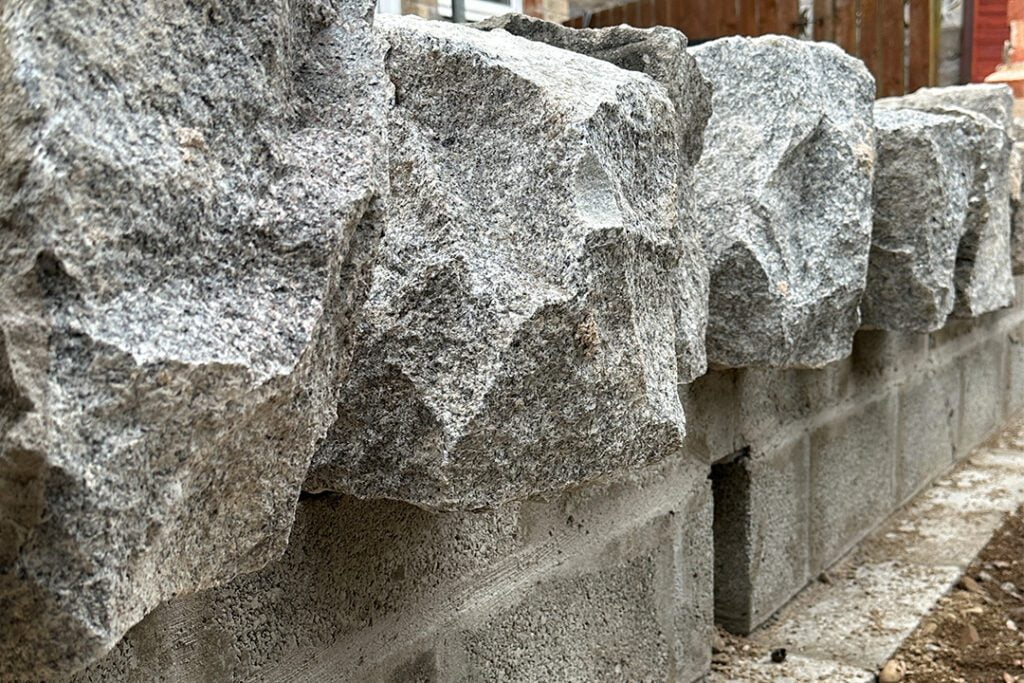
Granite is the most recognisable of Aberdeen’s traditional Scottish building materials, earning the city its historic nickname: The Granite City. Locally quarried grey granite is highly durable, extremely strong and naturally resistant to weather. When sunlight hits the mica crystals, the stone sparkles with a silver sheen; however, on darker winter days it reads as muted, stoic and timeless.
Architects such as Archibald Simpson and Alexander Marshall Mackenzie embraced granite during the 19th century, using it to create the grand civic buildings that still define Aberdeen today. Consequently, granite remains a central part of the city’s architectural character, especially in conservation areas.
For anyone exploring Aberdeen’s granite legacy in more detail, this guide from Historic Environment Scotland offers useful insight:
https://www.historicenvironment.scot
Timber: Warmth, Craftsmanship and Traditional Detailing
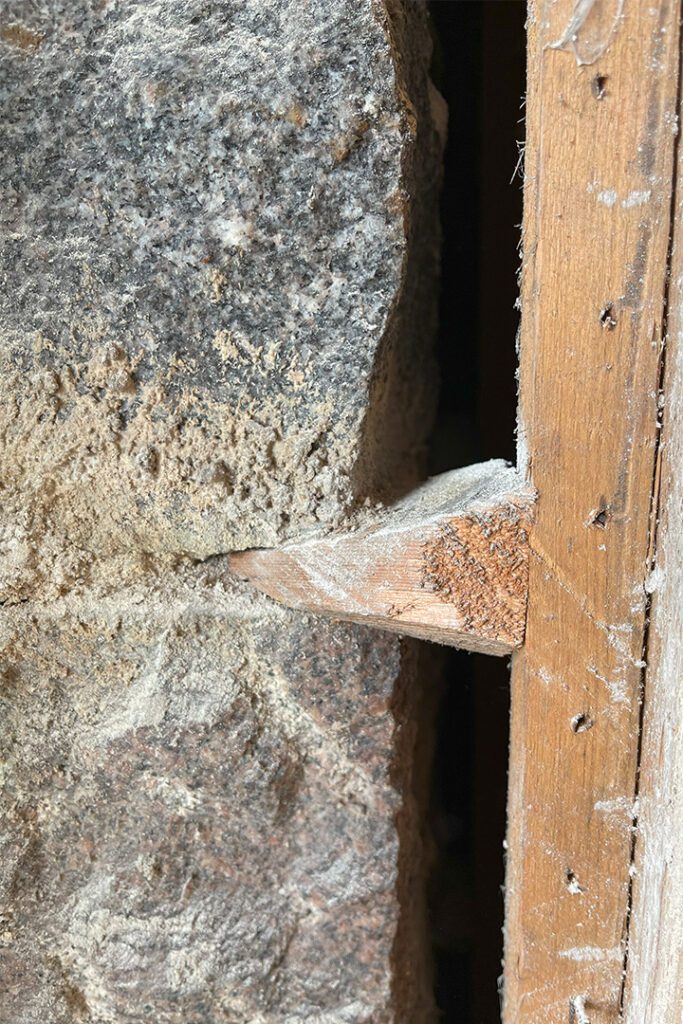
Timber is another essential traditional Scottish building material in the region. Historically, woods such as Scots Pine and Oak were used for roof structures, flooring, windows, panelling and internal detailing. Although granite formed the walls, timber introduced warmth and softness, balancing the hardness of stone.
Today, timber remains a popular choice for both restoration and new-build elements. Because it is highly workable and naturally insulating, it supports modern energy performance standards while preserving traditional craftsmanship.
Lime Mortar: Breathability and Long-Term Durability
Before cement became widespread, lime mortar was the standard binder in Scottish construction. Lime allows masonry to breathe, enabling moisture to evaporate naturally — a crucial advantage in Aberdeen’s wet and coastal climate. As a result, lime mortar prevents trapped moisture, reduces dampness and avoids deterioration of traditional granite walls.
If you’re interested in how lime mortar should be used correctly, the SPAB (Society for the Protection of Ancient Buildings) provides an excellent overview:
https://www.spab.org.uk/advice/lime-mortar
Slate: A Durable and Distinctive Scottish Roofing Material
Slate is the final major component in Aberdeen’s palette of traditional Scottish building materials. Sourced historically from quarries across Scotland, slate roofs offer an exceptional lifespan, varied natural colours and excellent weather protection. Their texture and irregularity contribute to the character of Aberdeen’s skyline.
Slate remains the roofing material of choice for:
- Conservation properties
- Steading conversions
- Granite terraces
- High-quality home extensions
Because of its longevity and traditional appearance, it continues to be one of the most sustainable roofing materials available.
Why Understanding Traditional Scottish Materials Matters Today
Whether you are planning a home extension, a refurbishment or a full steading conversion in Aberdeenshire, using the correct traditional Scottish building materials is essential. These materials:
- Support breathability and moisture control
- Maintain architectural character
- Comply with conservation requirements
- Improve long-term durability
- Enhance property value
Therefore, choosing the right materials — and understanding how they work together — is crucial for the success of traditional property projects.
Conclusion: Aberdeen’s Architectural Story Told Through Materials
Granite, timber, lime mortar and slate form the core of Aberdeen’s architectural identity. Each material brings its own strengths, character and history, creating a distinctive built environment that continues to influence modern design today.
For homeowners, understanding these traditional Scottish building materials helps ensure your project respects local heritage while delivering long-lasting performance.
Further Reading & Internal Resources
If you’re exploring traditional building upgrades or alterations, you may find the following guides helpful:
You can also explore our full project portfolio here:
https://www.akarchitecture.co.uk/projects/
If you have a traditional granite home that needs careful refurbishment, contact AK architecture today:
https://www.akarchitecture.co.uk/contact/